

Last Updated: November 15, 2026
Quick Summary
The Cape Coral vacation rental market in 2026 has stabilized after years of rapid change, with inventory catching up to demand and nightly rates settling. Occupancy has settled into a more sustainable range, and peak winter demand from January through April remains strong while summer softens. Gulf-access homes with a private dock and saltwater pool hold the strongest position.
- Peak winter occupancy is strong, while summer and shoulder-season occupancy tends to soften the most.
- Gulf-access homes with a private dock and saltwater pool are often in demand with boaters and families.
- Non-waterfront homes without a pool are the most rate-sensitive and the most seasonal segment.
- Guests often plan earlier for peak winter dates, and reviews play an important role in booking decisions.
- Owners should confirm current registration, safety, and tax requirements with the city and state rather than rely on older guidance.
Table of Contents
- Cape Coral Vacation Rental Market Trends 2026: What the Numbers Show
- Cape Coral Airbnb and Short-Term Rental Data 2026
- Cape Coral Vacation Rental Seasonality
- Cape Coral Vacation Rental Regulations
- Cape Coral Vacation Rental Occupancy and Booking Trends
- Gulf-Access vs. Non-Waterfront Property Performance
- Hurricane Resilience and Tax Considerations for Non-Resident Owners
- Book Your Cape Coral Waterfront Villa for the 2026 Season
- Frequently Asked Questions
Cape Coral Vacation Rental Market Trends 2026: What the Numbers Show
The Cape Coral vacation rental market in 2026 is a story of stabilization after several years of rapid change. Inventory has caught up with demand, nightly rates have settled, and guests now compare properties more carefully than they did during the post-pandemic rush. This guide from Cape Coral Vacation Homes & Rentals LLC breaks down what the current data means for travelers booking a villa and for owners weighing their next move. Below, we’ll show you exactly where occupancy, rates, and regulations stand, and where the smart money is looking next.
The short version: the market has matured. Growth is no longer automatic, and the properties that perform best are the ones with the right features in the right locations.
Cape Coral Airbnb and Short-Term Rental Data 2026
Cape Coral’s short-term rental market in 2026 appears to be more balanced than in its peak years. For guests, that means more choice and more negotiating room. For owners, it means performance now depends on presentation, pricing discipline, and location rather than simply being listed.
Occupancy and Average Daily Rate
Occupancy rates across Cape Coral have settled into a more sustainable range as new listings have absorbed some of the demand that once pushed bookings to near-constant levels. Peak winter occupancy is generally strong, while summer and shoulder-season occupancy tends to soften the most. Average daily rate growth has slowed in step, with seasonal premiums still pronounced in January through April but far less dramatic in summer. The practical effect is that a single blanket peak-season rate no longer works year-round; owners who tier rates by month and by booking window tend to hold occupancy more consistently than those who keep one flat rate.
A useful way to read the data is by segment rather than city-wide average. Gulf-access homes with a private dock and a saltwater pool are often in demand with boaters and families who plan ahead. Non-waterfront homes with a pool sit in the middle and compete more on rate. Non-waterfront homes without a pool are the most rate-sensitive and the most seasonal. When you see a city-wide occupancy figure, ask which segment it reflects; the averages hide a wide spread.
Inventory Levels and Market Stabilization
Inventory levels have stabilized after a period of aggressive new listings. Market conditions in recent periods have generally slowed the growth of active listings. That stabilization is healthy. A market where supply and demand move together produces steadier income and fewer race-to-the-bottom price wars than one where listings multiply unchecked.
The mechanism behind the stabilization is worth understanding. During the rapid-growth years, new listings entered faster than demand could absorb them, which pushed occupancy down and forced rate cuts. Some marginal owners may have exited or converted to long-term rentals, which can tighten supply. The result is a market where well-presented, well-located properties can hold rate and occupancy, while generic listings still struggle. For owners, the takeaway is that stabilization rewards differentiation, not volume.
Year-Over-Year Market Performance
Market conditions have shifted from rapid growth toward a more balanced state, with seasonal movement in rates and occupancy. Booking windows for peak winter dates may be lengthening. That combination, steadier occupancy plus earlier bookings, is a healthier base for planning than a market that spikes and crashes.
For travelers, the year-over-year picture means more negotiating room outside peak dates and a stronger case for booking early for January through April. For owners, it means the properties that invest in presentation, clear listing details, and reliable maintenance response are the ones holding their position. If you want to see how a Gulf-access stay performs in practice, our waterfront vacation homes collection is the place to start.
Cape Coral Vacation Rental Seasonality
Cape Coral vacation rental seasonality follows a clear rhythm: winter and early spring draw the strongest demand from snowbirds and families escaping colder climates, while summer and early fall see shorter stays and more price sensitivity. Demand is typically strongest from winter into early spring and softer in the summer months. Travelers planning a winter stay should consider booking well ahead of time.
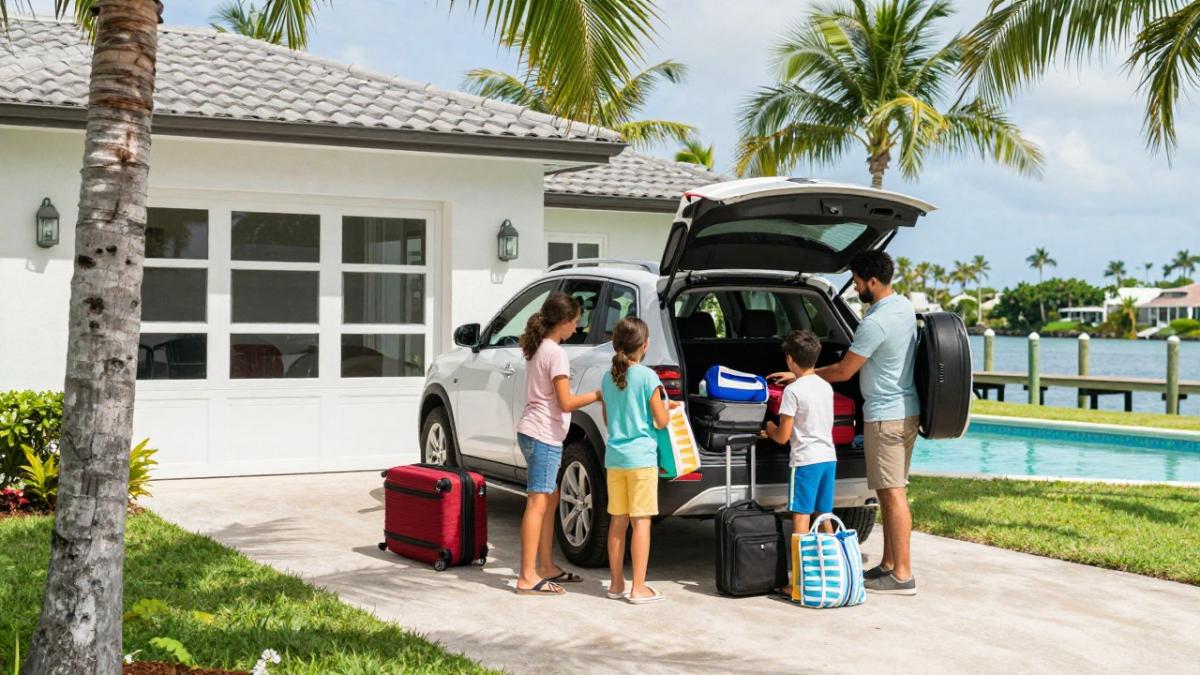
For owners, seasonality is where long-term thinking pays off. Longer winter stays can help smooth out the rental calendar. For a deeper look at that segment, see our guide to monthly winter rentals in Cape Coral.
Cape Coral Vacation Rental Regulations
Cape Coral vacation rental regulations generally involve registration, safety compliance, and tax remittance. Owners should check the current local and state requirements that apply to their property. Rules evolve, so owners should confirm current requirements with the city and state rather than rely on older guidance. The Florida Department of Business and Professional Regulation publishes the licensing framework that applies to vacation rentals, and the Florida Department of Revenue outlines the tax obligations that come with renting a property to guests.
What Registration Actually Involves
Registration is not always a single step. Owners should keep records of inspections, equipment, and guest communications, and confirm the standards that apply to their property with the relevant authorities.
Tax Remittance and Recordkeeping
Transient rentals may carry state and local tax obligations. Owners should confirm which taxes apply to their property and keep records of their rental activity.
How City Council Policy Shapes the Market
Local policy decisions affect the rental market in ways that show up in the data. Local policy changes can affect the number of active listings in the market. Owners should watch city council agendas and local notices rather than rely on secondhand summaries, because the details of a policy change often determine whether it affects a given property.
Compliance as an Operating Discipline
Compliance is not a one-time task. It is an operating discipline, and it is one of the main reasons owners choose professional management. Our team can help owners with the paperwork side of property management. For the full picture, read Florida vacation rental legal requirements.
Cape Coral Vacation Rental Occupancy and Booking Trends
Cape Coral vacation rental occupancy and booking trends in 2026 point to a guest who plans earlier and expects more. Guests often plan earlier for peak winter dates, and reviews play an important role in booking decisions. Guests are also asking harder questions up front: is the dock usable, is the pool heated, how fast does maintenance respond. Clear listing details can help properties attract bookings.
A common mistake owners make is treating every inquiry the same. Guests who book long stays and return can be valuable, and flexibility on dates or stay length can help build loyalty.
Gulf-Access vs. Non-Waterfront Property Performance
Gulf-access properties are often in higher demand than non-waterfront homes. Gulf-access homes offer direct water access, which appeals to boaters, anglers, and families who want to be on the water. Non-waterfront properties can also be appealing, particularly when they offer strong amenities and a competitive rate.
| Property Type | Rate Position | Occupancy Pattern | Guest Profile |
|---|---|---|---|
| Gulf-access with dock | Premium | Strongest in peak season | Boaters, anglers, families |
| Gulf-access, no dock | Mid-to-premium | Steady | Families, couples |
| Non-waterfront with pool | Mid | Rate-sensitive | Families, budget-aware groups |
| Non-waterfront, no pool | Value | Most seasonal | Short-stay travelers |
For a broader look at the segment, see our Cape Coral waterfront vacation home guide. If you want to see what a Gulf-access stay looks like in practice, our waterfront vacation homes collection is the place to start.
Hurricane Resilience and Tax Considerations for Non-Resident Owners
Two factors that rarely make the headlines matter enormously in 2026: hurricane resilience and the tax position of non-resident owners. Florida’s storm season shapes insurance costs, maintenance schedules, and guest expectations. Owners who plan for storm readiness, including preparations for their property and guest communications, can help protect their investment.
For non-resident owners, the tax picture is just as important. Rental income, expenses, and state-level obligations can all affect the financial picture for owners, and the rules may differ for owners who live outside Florida. A conversation with a qualified tax professional is worth more than any generic checklist. The IRS guidance on rental income and expenses is a useful starting point for understanding how rental activity is treated federally.
Watch out: owners who skip a formal storm plan often discover, after the first named storm, that their insurance and their guest communications were never aligned. Fix that before the season starts.
Book Your Cape Coral Waterfront Villa for the 2026 Season
Planning ahead can help travelers secure their preferred dates for a Gulf Coast escape.
At Cape Coral Vacation Homes & Rentals LLC, we manage a collection of waterfront villas built for exactly this kind of stay. Villa High Tide offers a saltwater pool and water access, and Villa Turtle Paradise offers a Gulf-access setting with room for families and groups. Both can be a good fit for longer winter stays of four or eight weeks. Our team is available to help with the details of your stay.
Get started with Cape Coral Vacation Homes & Rentals LLC and lock in your waterfront dates before the winter calendar fills.
The Cape Coral vacation rental market in 2026 is steadier, more competitive, and more rewarding for guests and owners who plan well. Whether you are booking a villa with a private dock or entrusting us with your investment property, the same principle applies: the details decide the outcome.
Frequently Asked Questions
Are vacation rentals down in 2026?
Demand has not collapsed, but the market looks different than the boom years. Inventory has grown, so individual listings face more competition for the same bookings. Properties with features such as waterfront access, private docks, and saltwater pools can stand out to travelers. The key shift is that travelers now compare more options before booking, which rewards owners who keep photos current, respond quickly, and price realistically for the season.
How does seasonality affect Cape Coral vacation rental demand?
Cape Coral follows a distinct seasonal pattern. Winter and early spring are typically the busiest seasons for vacation rentals, drawing visitors escaping colder climates. Summer is generally quieter. Owners who plan around these seasonal patterns, including long-term winter bookings and flexible summer pricing, can help smooth out their annual income.
What should owners know about Cape Coral vacation rental regulations?
Cape Coral vacation rental regulations continue to evolve, and rules can change at the city and county level. Requirements may involve registration, inspections, taxes, and other conditions. Owners should verify current rules directly with the city before listing.
What is the 50 rule in Cape Coral?
Local zoning rules can affect short-term rental eligibility, and questions about specific rules are common among buyers. Because zoning rules can change, confirm the current status with the city before committing to a purchase or rental plan.
